Beads, Heritage, and a Hard No to Fast Fashion: Why Gen Z Is Obsessed With Gerdan
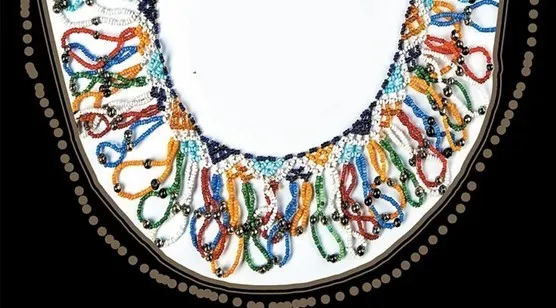
Photo: Міністерство культури та інформаційної політики України, CC BY 4.0, via Wikimedia Commons
Somewhere between a TikTok rabbit hole and a growing frustration with $8 necklaces that turn your neck green, a surprising number of young Americans have landed in the same place: hunched over a beading mat, following a centuries-old Ukrainian pattern, utterly hooked.
The craft is called gerdan — and if you've never heard of it, you're not alone. But that's starting to change.
What Even Is a Gerdan?
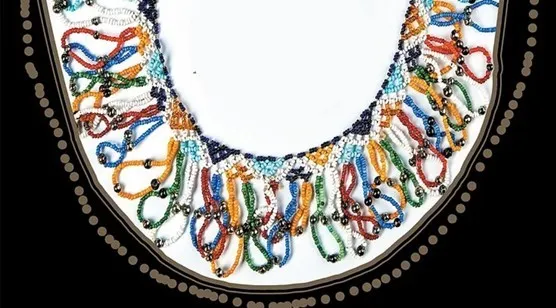
A gerdan (sometimes spelled herdan) is a traditional Ukrainian beaded necklace, typically woven in intricate geometric patterns using tiny seed beads. The word itself comes from the Turkish gerdan, meaning "throat" or "neck" — a nod to the Ottoman cultural exchange that shaped parts of Ukrainian decorative history. These pieces aren't just accessories. In Ukrainian folk tradition, they were markers of regional identity, social status, and personal story. The patterns, colors, and construction methods varied by village, by family, sometimes even by occasion.
They're also, objectively, stunning. Think dense, tapestry-like panels of color that sit flat against the collarbone, geometric motifs that look almost pixelated in the best possible way. They photograph beautifully. They wear even better.
The Slow Fashion Connection
Here's the thing about a gerdan: you cannot rush one. A single necklace can take anywhere from a few days to several weeks to complete, depending on the complexity of the pattern and the maker's experience. Every bead is placed deliberately. There are no shortcuts.
For a generation raised on same-day shipping and trend cycles that move faster than most people can keep up with, that slowness is increasingly part of the appeal.
"I got really burned out on buying stuff that fell apart after two wears," says Maya, a 24-year-old based in Portland who started learning gerdan-making through a combination of YouTube tutorials and a Ukrainian community center workshop. "I wanted something that actually meant something. Something I made, or at least understood the making of."
Maya's experience tracks with a broader cultural shift that's been building for a few years now. The slow fashion movement — which pushes back against the environmental and ethical costs of fast fashion — has found a natural home in handcraft communities. And gerdan sits at an interesting intersection: it's slow by necessity, rooted in cultural heritage, and produces something genuinely wearable and visually striking.
Social Media Did Something Unexpected Here
It would be easy to assume that a hyper-niche Eastern European folk craft would struggle to find traction in the age of the algorithm. But social media, particularly TikTok and Instagram, has done something genuinely interesting with gerdan.
Search #gerdan on TikTok and you'll find a mix of Ukrainian makers sharing traditional techniques, diaspora artists putting contemporary spins on classic patterns, and American beginners documenting their very earnest first attempts. The content is oddly compelling — there's something almost meditative about watching thousands of tiny beads come together into a coherent design, and creators have leaned into that.
"The process videos do really well," says Darya, a Ukrainian-American maker in Chicago who sells her work through Etsy and Instagram. "People aren't just buying the necklace. They want to understand what went into it. They'll watch a twenty-minute video of someone beading and actually stay for the whole thing."
Darya started making gerdany (the plural form) as a way of staying connected to her heritage after moving to the US as a teenager. What began as a personal practice has grown into a small business, with customers ranging from members of the Ukrainian diaspora to style-conscious buyers with no Ukrainian background whatsoever who simply fell in love with the aesthetic.
"I get a lot of messages from people saying they found me through a TikTok, bought a piece, and then wanted to learn how to make one themselves," she says. "That's the best outcome. That's the craft actually spreading."
Heritage Without Appropriation: A Nuanced Conversation
The growing popularity of gerdan among non-Ukrainian Americans does raise some fair questions about cultural context — questions the community seems genuinely willing to engage with.
Most makers and cultural advocates interviewed for this piece landed in a similar place: appreciation and learning are welcome; stripping the craft of its meaning is not. The distinction matters. Wearing a gerdan because you think it looks cool is one thing. Wearing one while understanding its origins, supporting Ukrainian makers, and engaging honestly with the tradition behind it is another.
"I don't think Ukrainian craft should be kept in a box," says Darya. "Our culture has been suppressed enough. I want people to see it, wear it, love it. I just want them to know what they're wearing."
That sentiment — know what you're wearing — feels very aligned with what Gen Z buyers say they want from their style choices anyway. Transparency, context, and meaning. A gerdan comes with all three built in.
Learning the Craft in America
For those who want to go beyond buying and actually learn to make a gerdan, resources are more accessible than you might expect. Ukrainian cultural organizations in cities with significant diaspora populations — Chicago, New York, Philadelphia, Detroit — often offer workshops. Online, platforms like YouTube and Patreon host detailed tutorials from Ukrainian makers who are actively interested in teaching.
The materials themselves are relatively affordable. Seed beads, a beading needle, thread, and a pattern are enough to get started. The learning curve is real — gerdan requires patience and precision — but beginners often find the repetitive nature of the work genuinely calming, which is its own kind of reward.
"The first hour is frustrating," Maya admits. "After that, it's kind of like the best thing you've ever done with your hands."
A Craft That Carries Weight
There's something particularly resonant about the timing of gerdan's American moment. Ukrainian culture has been in the global spotlight in ways that are deeply painful, and for many in the diaspora, crafts like gerdan have become a form of cultural affirmation — a tangible way of saying this exists, this endures, this matters.
For American buyers and makers engaging with the tradition, even from the outside, there's an opportunity to participate in that affirmation. To choose something with roots over something with a two-week shelf life. To wear a piece of history instead of a piece of plastic.
That's a pretty compelling pitch, especially for a generation that's grown increasingly skeptical of stuff that means nothing.
Fast fashion gave us closets full of things we don't remember buying. Gerdan offers the opposite: a single piece you'll remember making, or choosing, or receiving — and probably keep forever.